Apex Carpet Services
Menu

Polished Concrete

A real polish is ground into the slab. It is not a coating.

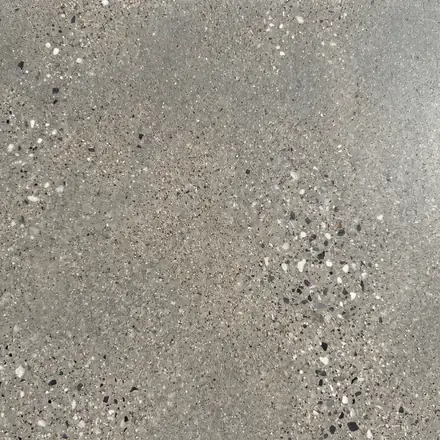
Close surface detail of polished concrete.

Spec

Material
Existing slab, ground and densified. Cream, salt and pepper, or aggregate exposure.
Typical window
3 to 5 days depending on square footage and grit sequence
Subfloor prep
Not applicable. The slab is the floor, so slab condition determines the achievable finish.
Warranty
Pending confirmation

Polished, not coated

There are two very different things sold as polished concrete.

One is a coating: a glossy topcoat rolled over the slab. It looks close on day one and it wears through in the traffic lanes, because the shine is a film sitting on top.

The other is a real mechanical polish. The slab is ground through a sequence of progressively finer diamond grits, a chemical densifier is applied that reacts with the concrete and hardens it from within, and then it is polished to the sheen you want. The shine is the slab itself. There is no film to wear through, and the traffic lanes do not go dull.

We do the second one.

Exposure: what the floor will look like

You are choosing how much of the slab to open up, and it is decided by how aggressively we grind at the start.

Cream finish stays at the surface. It reads smooth and fairly uniform, with only small aggregate showing. It is the most forgiving of a slab with an inconsistent pour.

Salt and pepper takes off the top layer and exposes the fine sand. This is the most common choice and the most predictable.

Aggregate exposure grinds deeper and brings up the large stone. It looks terrazzo-like and it is dramatic, but it depends entirely on how the slab was poured. If the aggregate is not evenly distributed you will see that, and no amount of polishing fixes it.

Your slab decides what is possible

Polished concrete is a finishing process applied to concrete that already exists, so the pour you have sets the ceiling on the result.

Patches, old adhesive, tire stains that soaked in years ago, and cracks are all part of the finished floor. Some of that reads as character and some of it reads as damage, and which is which is a judgment call.

Before we quote, we grind a small test patch in an out-of-the-way spot so you can see what is under there. We will not quote a finish from a photo of someone else’s slab.

Sealing and maintenance

A densified polished floor still wants a penetrating guard against oil and stains, particularly in a kitchen or a shop. It is not a topical coating, so it does not change the look. Maintenance is dust mopping and occasional damp mopping with a neutral cleaner. No wax, no strip and recoat.

Where we install

Polished concrete from Logan to Nephi, and statewide for commercial floors. See commercial flooring.

Questions we get asked

Do you charge for an estimate?

No. We come out, measure, look at the subfloor, and give you a written number. Bring us a spec sheet if you have already chosen a product from a showroom and we will price the install against it.

How soon can you get out here?

Call and we will tell you. Repairs are usually the fastest to schedule because they are short jobs. Full installs depend on material lead time, which is set by the supplier rather than by us.

Do I need to move my furniture?

No, we move it. Empty out closets, take things off shelves, and disconnect electronics. We handle the heavy pieces. Tell us in advance about anything unusually heavy or fragile, like a piano, a gun safe, or an aquarium.

What makes your installers different?

Our installers get in-person training on the manufacturers' own factory floors, on the specific products they install. Most flooring crews learn on the job, which means they learn on your house.

Can we stay in the house during the work?

For most jobs, yes. We work room by room where we can. Hardwood refinishing is the exception: the sanding is loud and the finish needs a few days to cure, so most people stay elsewhere or close off that part of the house.

What is the difference between polished and coated concrete?

A coating is a glossy film rolled on top, and it wears through in the traffic lanes. A real polish is ground into the slab through finer and finer diamond grits and hardened with a chemical densifier, so the shine is the concrete itself. There is no film to wear off.

Will polishing hide the cracks and stains in my slab?

No. Polishing reveals the slab rather than covering it, so patches, old adhesive, and stains that soaked in years ago become part of the finished floor. We grind a small test patch in an out-of-the-way spot first so you can see what is under there before you commit.

Get a quote

Tell us what the floor is doing

Send a few photos and we will tell you what it needs. If it is not worth repairing, we will say so.

Call 541-1048 Get a quote